 |
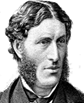
Matthew Arnold |
For thirty-five years Arnold traveled as inspector of English schools, watching the rise of a dark industrial world, diseased, faithless, and growing hostile toward authority. Riding the trains, writing in his notebooks, he struggled with the loneliness he saw everywhere, with the declining relevance of Christianity, and with the diminishing role of poetry in people’s lives.
The third great Victorian poet, next to Tennyson and Browning, he thought as classical philosophers did that art should animate and ennoble its audience. In his own melancholy way he wanted to make poetry and literary criticism a larger schoolroom in which his countrymen might be nudged back to the old ways.
 |
Immortal Poets: Their Lives and Verse, by Christopher Burns |